





Boxing isn’t just about throwing punches — it’s about consistency, technique, conditioning, and discipline. Whether you’re a beginner or training regularly, structured drills help improve speed, coordination, endurance, and overall performance.
In this guide, we break down 7 essential boxing drills every fighter should include in their routine.
1️⃣ Dynamic Warm-Up Routine
Before any serious training session, warming up properly helps reduce strain and improve mobility.
A solid boxing warm-up includes:
-
Jump rope (3–5 minutes)
-
Arm circles and shoulder rotations
-
Light shadowboxing
-
Hip and ankle mobility exercises
Warming up increases blood flow and prepares your joints and wrists for impact training.
2️⃣ Shadowboxing for Technique & Footwork
Shadowboxing is one of the most important drills in boxing.
Focus on:
-
Proper stance
-
Controlled breathing
-
Combination flow
-
Defensive movement
-
Pivoting and footwork
Practice 3–4 rounds of 2–3 minutes each.
Shadowboxing builds rhythm, coordination, and movement awareness without heavy impact.
3️⃣ Heavy Bag Power & Endurance Drill
The heavy bag helps develop strength and endurance.
Try this structure:
Round 1: Light combinations (jab-cross focus)
Round 2: Power combinations
Round 3: Body shots only
Round 4: Defensive slips + counters
Maintain proper wrist alignment and avoid overextending punches.
Training gloves with balanced padding are recommended for heavy bag sessions to absorb repeated impact.
4️⃣ Speed & Combination Drill
Hand speed improves timing and reaction.
Example drill:
-
30 seconds fast jabs
-
30 seconds combination bursts
-
30 seconds defensive movement
Repeat for 3 rounds.
Keep your hands up and focus on controlled movement rather than uncontrolled speed.
5️⃣ Coordination & Reflex Training
Coordination drills improve timing and reaction.
You can include:
-
Double-end bag training
-
Slip rope drills
-
Reaction ball exercises
-
Partner focus mitt drills
These drills sharpen defensive skills and improve punch accuracy.
6️⃣ Conditioning Circuit for Fighters
Boxing requires endurance.
Add conditioning between rounds:
-
Push-ups (20 reps)
-
Squats (20 reps)
-
Plank hold (45 seconds)
-
Mountain climbers (30 seconds)
Repeat circuit 3 times.
Conditioning improves stamina and supports longer sparring sessions.
7️⃣ Protecting Your Wrists & Hands
Your hands are your primary tools — protecting them is essential.
Here’s how to reduce strain:
-
Always use hand wraps
-
Choose gloves that fit securely
-
Ensure proper wrist support
-
Avoid worn-out padding
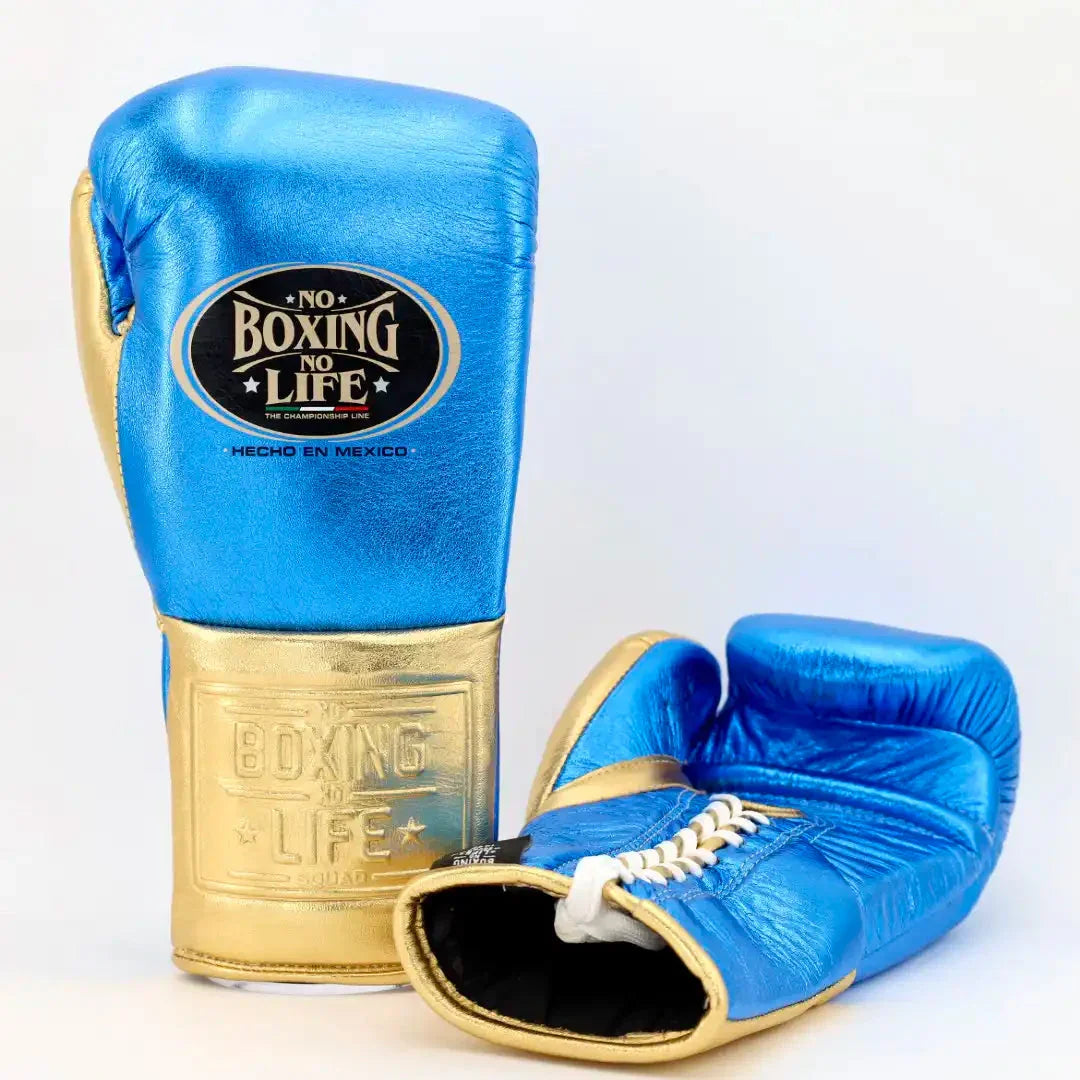
Training gloves with reinforced stitching and secure wrist straps help maintain stability during repeated impact.
For regular training, choose gloves that match your weight and intensity level. Heavier gloves are often preferred for sparring, while balanced-weight gloves work well for bag training.
Structuring Your Weekly Training
A simple weekly example:
Day 1 – Technique & Shadowboxing
Day 2 – Heavy Bag + Conditioning
Day 3 – Speed & Coordination
Day 4 – Rest or Active Recovery
Consistency matters more than intensity alone.
Final Thoughts
Boxing progress comes from repetition, discipline, and structured practice. By incorporating these seven essential drills into your routine, you can improve technique, build endurance, and support long-term training development.
At GlovesGuard, we believe in practical, durable training equipment designed to support consistent workouts. Choosing gloves that fit properly and provide secure wrist support can help maintain comfort during regular sessions.
Ready to Upgrade Your Training Gear?
Explore our collection of training and sparring gloves designed for everyday performance.

